
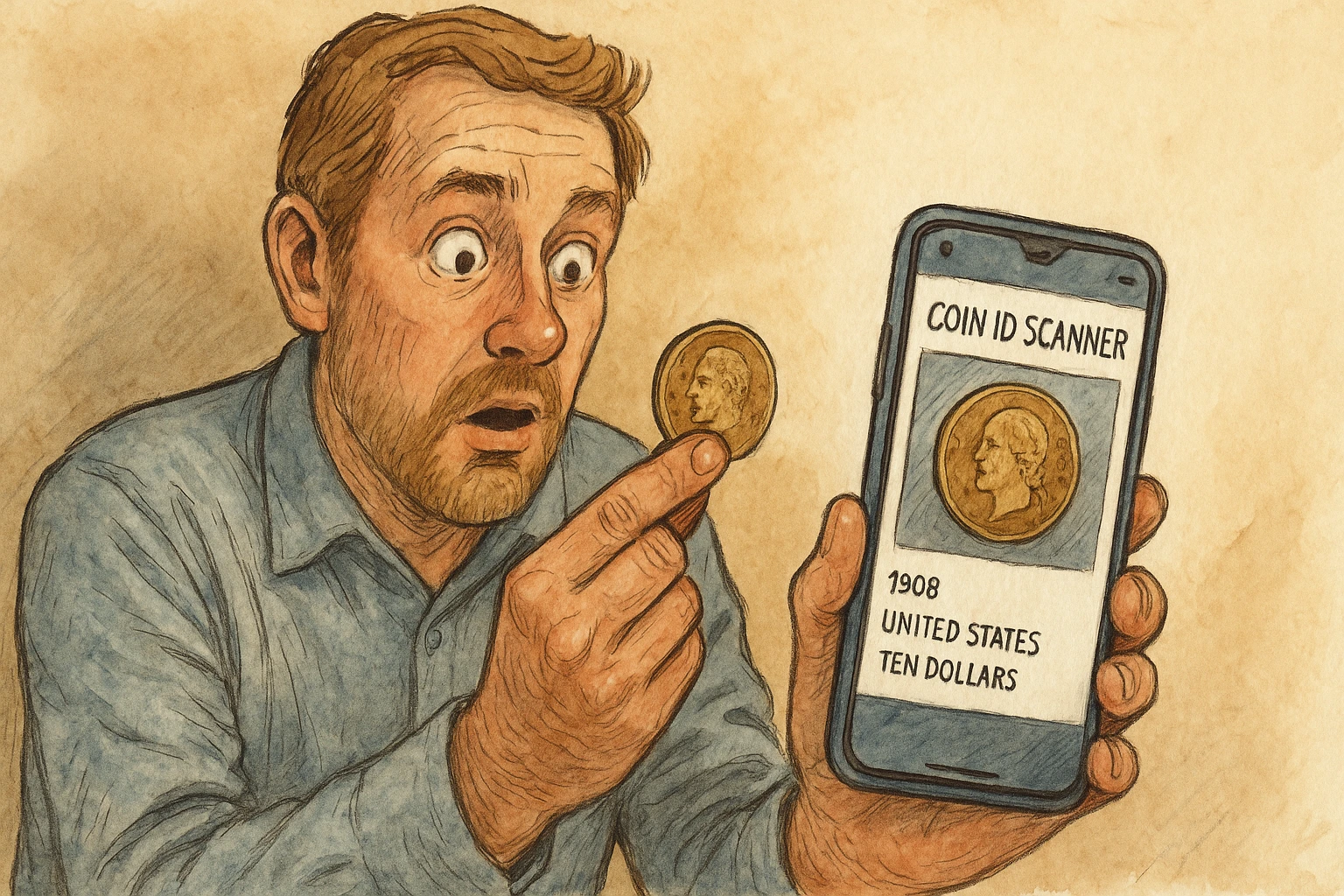
Welcome to the Future of Coin Validation
The world of numismatics (the collection and study of coins) is undergoing a revolutionary transformation with the advent of technology. The phrase scan coins here perfectly encapsulates this shift. Coins, once considered mere metallic tokens of currency, are becoming the subjects of technological innovations that can aid collectors, merchants, and hobbyists alike in ensuring the authenticity and value of their cherished collections. In this article, we’ll delve into the different facets of coin validation, the benefits of modern scanning technologies, and what the future holds for coin enthusiasts.
The Importance of Coin Authentication
As the numismatic market has evolved, so too have the methods of coin production and counterfeiting. Today, counterfeit coins are becoming increasingly sophisticated, making it essential for collectors and dealers to have access to reliable authentication methods. Coin authentication is the process of verifying the origin, authenticity, and condition of a coin, which is crucial not only for collectors but also for investors looking to secure their assets.
Without effective validation systems, the risk of purchasing counterfeit coins can lead to significant financial losses. Moreover, the historical and personal value of a coin can be put into jeopardy if it is misidentified. This raises the question: how can modern technology help ensure that collectors can confidently invest in their passions?
How Scanning Technology Works
Scanning technology utilizes advanced algorithms and software to help identify coin characteristics and characteristics unique to genuine coins. By leveraging high-resolution imaging, data analysis, and even AI, anyone can scan coins and receive immediate feedback on their authenticity.
The process typically involves the following steps:
- Capture Image: The user places the coin on a scanning device or uses a smartphone app to capture high-resolution images of the coin from multiple angles.
- Data Analysis: The software analyzes the physical characteristics of the coin, including its weight, dimensions, and striking patterns.
- Comparison: The scanned data is compared against a vast database of known authentic coins, which includes detailed images and specifications.
- Output Result: The software returns results indicating whether the coin is likely authentic or a counterfeit.
This process not only boosts confidence in transactions but also enhances the educational element for collectors, as they can learn more about the intricacies of their coins during the validation process.
Benefits of Using Scanning Technology for Coin Validation
1. Speed and Efficiency: Given the speed of modern technology, scans can often yield results in a matter of seconds, greatly reducing the time taken to verify a coin’s authenticity compared to traditional methods.
2. Accessibility: With the development of smartphone applications, users can authenticate coins from the comfort of their homes or while shopping. This level of accessibility empowers individuals to make informed decisions.
3. Cost-Effectiveness: Traditional authentication methods often come with a hefty price tag, especially when dealing with reputable numismatic experts. Scanning technology provides a more affordable alternative, enabling more collectors to verify their coins.
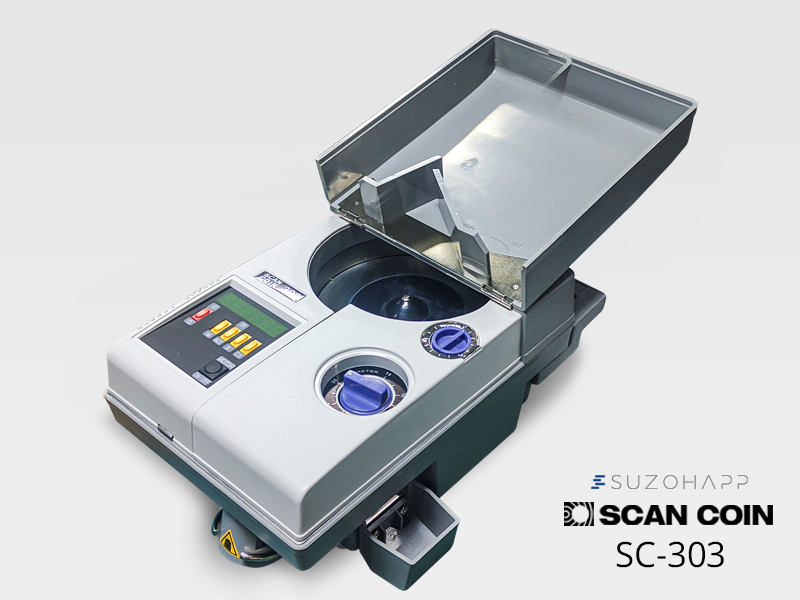
4. Educational Value: Many scanning applications and devices offer detailed information about the coins along with the authentication results. This can enrich the collector’s understanding of coin history, minting processes, and the characteristics that define genuine coins.
The Role of AI in Coin Validation
Artificial Intelligence (AI) has made significant inroads into various sectors, and coin authentication is no exception. AI algorithms can learn from vast datasets of coins, improving their ability to identify counterfeit coins over time. Moreover, machine learning can recognize patterns that human eyes might miss, ensuring a higher rate of accuracy in coin validation.
Some advanced applications utilize neural networks to simulate human-like recognition abilities. These systems become increasingly intelligent as they process more images and feedback, progressively refining their accuracy and efficiency in distinguishing authentic coins from fakes.
Future Trends in Coin Validation
As technology continues to evolve, we can anticipate exciting advancements in the sphere of coin validation. Here are a few trends to watch out for:
- Integration with Blockchain: The integration of blockchain technology into coin validation systems could provide a reliable way to trace a coin’s history, enhancing transparency and trust in transactions.
- Augmented Reality (AR) Applications: As AR technology matures, it will enable users to view a 3D model of a coin in real-time, providing detailed insights and immediate validation through comparison with a database of known coins.
- Improved User Interfaces: Enhanced user interfaces will make coin validation even easier, allowing users with no prior experience to navigate scanning applications and gain confidence in their ability to authenticate coins.
- Community Engagement Features: Future applications may include social features, enabling collectors to share their scans, ask for community insights, or collaborate with other enthusiasts for deeper validation.
Conclusion
The phrase scan coins here is more than just a call to action; it symbolizes the exciting intersection of technology and numismatics. As coin collecting continues to grow in popularity, leveraging the latest technological advancements can empower collectors to protect their investments and enrich their experiences. In this evolving landscape, being equipped with the right tools to verify the authenticity of coins not only increases security but also enhances the joy of discovery and historical appreciation that defines the world of coin collecting.
The future of coin validation is bright, and technology will undoubtedly play a significant role in shaping it. Embracing these innovations will allow collectors to engage with their passions more fully, ensuring a vibrant and secure community of numismatists for generations to come.